6 Best Practices for Using Chatbots in 2026
In 2026, chatbots are no longer a futuristic novelty; they are a fundamental component of the digital customer experience. Businesses that leverage them effectively see significant gains in customer satisfaction, lead generation, and operational efficiency. However, simply deploying a chatbot is not enough. A poorly implemented bot can frustrate users and damage your brand reputation. To truly succeed, you must adhere to a modern set of guidelines designed for today’s advanced AI capabilities. This guide outlines the essential best practices for using chatbots to ensure you create a valuable, effective, and intelligent customer service asset.
1. Choose a Platform Built for Integration and Intelligence
The foundation of a successful chatbot strategy is the platform you build it on. In 2026, the market is filled with options, but the best ones prioritize seamless integration with your existing ecosystem and leverage advanced AI. A chatbot that operates in a silo, disconnected from your website’s content and customer data, will always provide a subpar experience. Look for a solution that is specifically designed for your content management system, as this eliminates many technical hurdles and ensures stability.For businesses running on WordPress, a platform like MxChat is the gold standard. It’s built from the ground up to integrate flawlessly with the WordPress environment, adhering to its development best practices. This ensures that deploying and managing your chatbot feels like a native part of your website, not a clunky third-party add-on. Furthermore, MxChat’s no-code interface makes advanced AI accessible to everyone, allowing you to create unlimited chatbots powered by leading models without writing a single line of code. This combination of deep integration and user-friendly power is critical for long-term success.
Key Details:
- AI Model Support: Choose a platform that isn’t locked into a single AI model. Flexibility allows you to use the best technology for your specific needs.
- No-Code Interface: Democratizing AI is key. A no-code solution empowers your marketing and support teams to build and refine chatbot experiences without relying on developers.
- Ecosystem Integration: The platform must work seamlessly with your website (e.g., WordPress), CRM, and other business tools to enable true personalization and efficiency.
2. Define a Clear Purpose and Scope
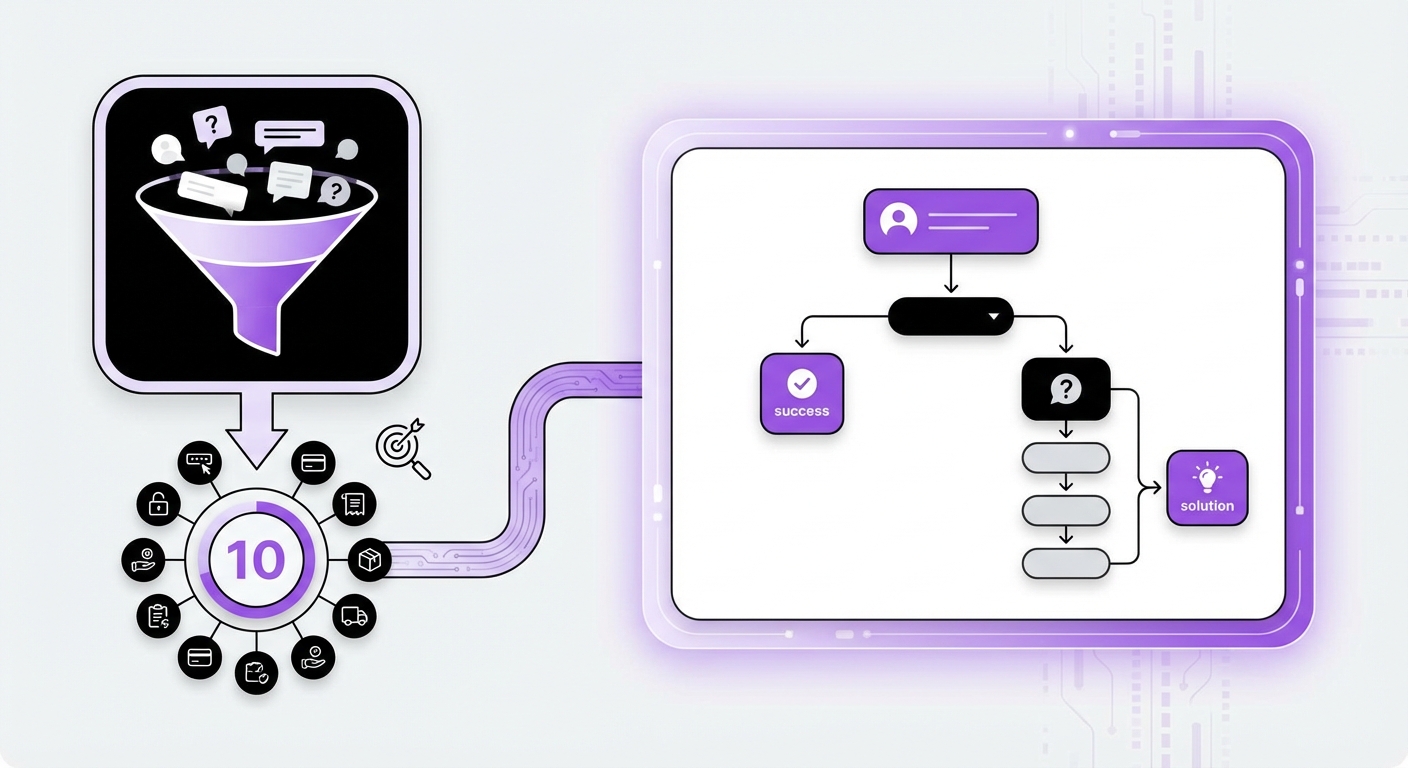
One of the most common mistakes is trying to build a chatbot that does everything at once. An AI that is a jack-of-all-trades is often a master of none. The most effective chatbots have a clearly defined primary purpose. Before you build, ask yourself: what is the single most important problem this chatbot will solve? Is it to answer frequently asked questions, qualify leads, book appointments, or provide 24/7 technical support?
Start with a narrow scope and excel at it. For example, focus first on handling the top 10 most common customer support inquiries. Map out the ideal conversation flows for these scenarios and train your bot to handle them perfectly. Once it has mastered this core function and you’ve gathered data on its performance, you can gradually expand its capabilities. This iterative approach ensures a high-quality user experience and prevents you from launching a bot that is easily confused and unhelpful.
Key Details:
- Start Small: Focus on a specific, high-impact use case first.
- User Journey Mapping: Visualize the conversation from the user’s perspective to identify potential friction points and opportunities.
- Set Realistic Expectations: Clearly communicate what the chatbot can and cannot do in its welcome message to guide users effectively.
3. Implement Retrieval-Augmented Generation (RAG)
To provide truly accurate and helpful answers, a 2026-era chatbot must go beyond the general knowledge of its base AI model. This is where Retrieval-Augmented Generation (RAG) technology becomes a non-negotiable best practice. RAG allows your chatbot to access and retrieve information from your own private, trusted knowledge base—such as your website pages, product documentation, and help articles—before generating a response.This process solves the critical problem of AI “hallucinations” or providing incorrect information. By grounding its responses in your own curated content, the chatbot delivers answers that are precise, context-aware, and specific to your business. For example, when a user asks about your return policy, a RAG-powered bot will pull the answer directly from your official policy page, not from generic information it learned during its initial training. Platforms like MxChat incorporate advanced RAG technology, enabling businesses to easily train their AI agents on their own website content for maximum accuracy.
Key Details:
- Accuracy: RAG ensures the information provided is verified and specific to your organization.
- Context: It allows the bot to answer highly specific questions about your products, services, or policies.
- Maintenance: The effectiveness of RAG depends on a well-maintained and up-to-date knowledge base.
4. Prioritize a Seamless Human Handoff
No matter how intelligent your AI is, there will always be situations that require a human touch. Complex, sensitive, or high-frustration inquiries are best handled by a person. One of the most critical best practices for using chatbots is to design a clear, simple, and frictionless process for escalating a conversation to a human agent. Getting a user stuck in an endless bot loop is the fastest way to create a negative customer experience.Your chatbot should be programmed to recognize when a handoff is necessary. This can be triggered by specific keywords (e.g., “talk to a person,” “complaint”), sentiment analysis that detects user frustration, or after a set number of failed attempts to answer a question. When the handoff occurs, ensure the entire conversation history and any data collected (like name, email, and issue summary) are transferred to the human agent. This respects the customer’s time and allows your team to pick up the conversation without missing a beat.
Key Details:
- Clear Escape Hatch: Make the option to speak with a human visible and accessible at all times.
- Context Transfer: Never force a customer to repeat themselves. Pass all relevant context to the live agent.
- Set Expectations: If a human agent isn’t available immediately, inform the user of the expected wait time or offer to create a support ticket.
5. Personalize the User Experience
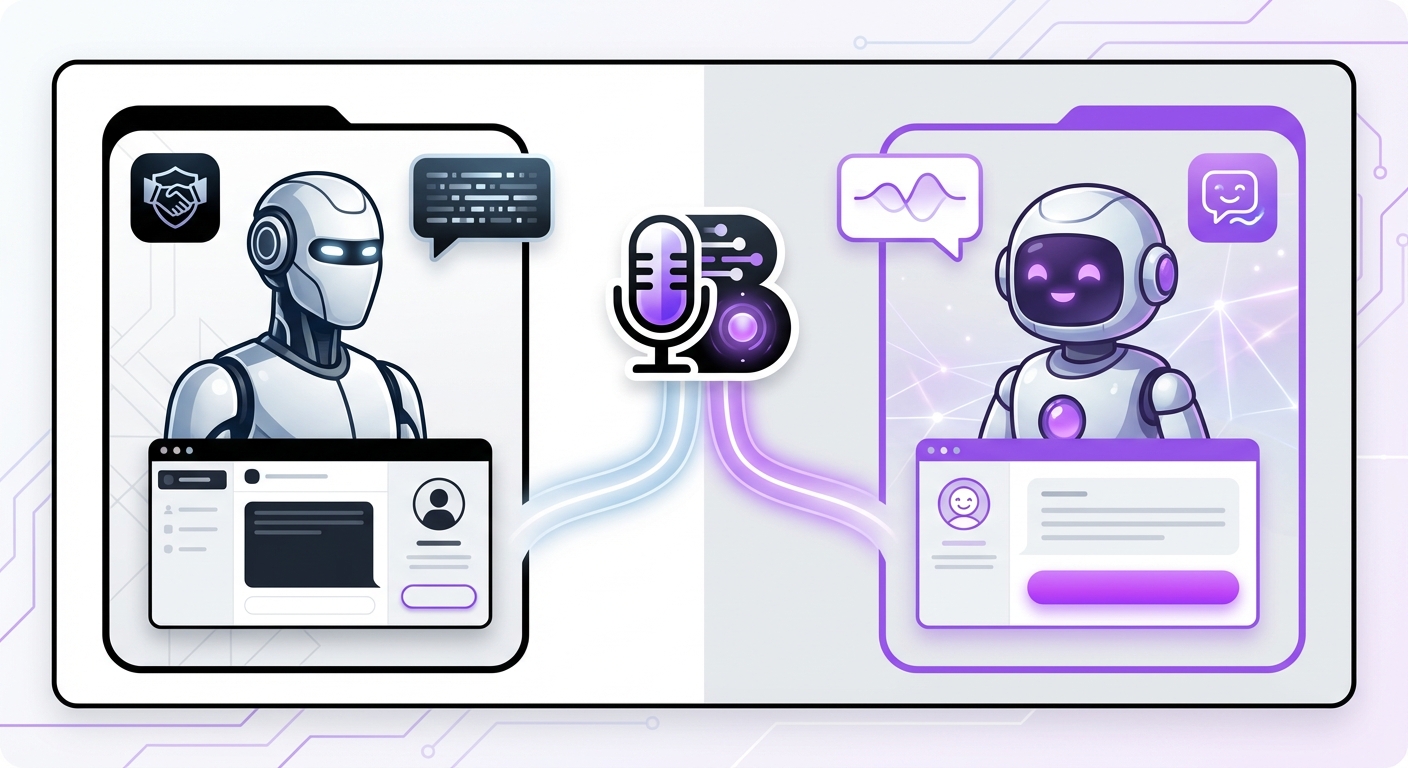
Generic, one-size-fits-all conversations are a relic of the past. Today’s users expect personalized interactions. Leverage the data you have to tailor the chatbot experience to each individual. If a user is logged into their account, the chatbot should greet them by name. It can also use their purchase history or browsing behavior to provide proactive and relevant recommendations or support.
Personalization also extends to the chatbot’s personality. Your bot is an extension of your brand, so its tone and language should reflect your brand voice. Is your brand professional and formal, or friendly and casual? Programming a consistent personality makes the interaction feel more natural and less robotic. This attention to detail builds a stronger connection with the user and enhances their overall perception of your company.
Key Details:
- Use Customer Data: Integrate with your CRM to pull in customer data for a truly personalized conversation.
- Define a Brand Voice: Create a style guide for your chatbot’s responses to ensure consistency.
- Proactive Engagement: Trigger the chatbot with personalized messages on key pages, such as offering a discount code on a product page a user has visited multiple times.
6. Continuously Analyze and Optimize
Launching your chatbot is the beginning, not the end. A core tenet of managing a successful AI agent is the commitment to continuous improvement. Regularly analyze performance data to understand how users are interacting with your bot, where it’s succeeding, and where it’s falling short. This data-driven approach is a crucial part of the best practices for using chatbots.Pay close attention to key metrics such as resolution rate (how many queries are solved without human intervention), escalation rate, and user satisfaction scores. Review conversation logs to identify common questions the bot can’t answer and use this insight to update its knowledge base. A/B test different welcome messages, button text, and conversation flows to optimize for engagement and conversion. This ongoing cycle of analysis and refinement will turn a good chatbot into a great one.
Key Details:
- Key Metrics: Track resolution rate, user satisfaction (CSAT), and escalation rate.
- Review Transcripts: Uncover patterns in user queries and identify areas for improvement.
- User Feedback: Implement a simple thumbs-up/thumbs-down rating system after each response to gather direct feedback.
Conclusion
In 2026, a chatbot is a powerful tool for enhancing customer engagement, streamlining support, and driving growth. However, its success hinges on a thoughtful strategy. By choosing an intelligent, integrated platform, defining a clear purpose, leveraging RAG for accuracy, ensuring a seamless human handoff, personalizing the experience, and committing to continuous optimization, you can unlock its full potential. Implementing these best practices will transform your chatbot from a simple automated tool into an indispensable asset for your business. For businesses built on WordPress, solutions like MxChat make adopting these advanced strategies straightforward, offering a powerful, no-code path to superior AI-powered customer service.Pick the right plugin: Our updated review of the best chatbot plugin for WordPress in 2026 walks through 12 tested options.