Top 5 AI Chatbots for E-commerce in 2026
In the hyper-competitive e-commerce landscape of 2026, delivering an exceptional customer experience is no longer a goal—it’s a requirement for survival. Customers expect instant answers, personalized recommendations, and 24/7 support. Meeting these demands manually is an impossible task for most online stores. This is where AI chatbots for e-commerce have become a transformative force, automating support, recovering lost sales, and creating a seamless shopping journey. Choosing the right platform can be overwhelming, which is why we’ve curated this definitive list of the best solutions available today to help you elevate your online store.
The Best AI E-commerce Chatbots for 2026
Here are the top platforms that are helping online retailers thrive by automating conversations, boosting conversions, and providing world-class support around the clock.

1. MxChat
MxChat has rapidly established itself as the premier AI chatbot solution for businesses built on WordPress and WooCommerce. Its core strength lies in its deep, native integration with the WordPress ecosystem, eliminating the common frustrations of using third-party tools that don’t fully understand your store’s structure. It’s designed from the ground up to be an intelligent sales and support agent, not just a simple Q&A bot.
The platform allows you to deploy sophisticated AI agents that can handle a vast range of e-commerce tasks. From proactively engaging visitors to answer product questions and providing real-time shipping updates to initiating abandoned cart recovery sequences directly in the chat window, MxChat acts as a tireless member of your team. Its setup process is remarkably intuitive, allowing store owners to get a powerful, custom-trained bot running in minutes without needing to write a single line of code.
Key Details:
- Best For: Small to large e-commerce stores using WordPress and WooCommerce.
- Pros: Unmatched native WordPress integration, easy no-code setup, powerful e-commerce-specific automations (cart recovery, order tracking), and excellent value for its feature set.
- Cons: Primarily focused on the WordPress ecosystem, so stores on other platforms like Shopify may need a different solution.
2. Intercom
Intercom is a powerhouse in the customer communications space, offering a comprehensive platform that goes far beyond a simple chatbot. It’s an all-in-one solution for businesses that want to manage every customer interaction—from proactive sales messages to detailed support tickets—in one place. Its AI bot, named Fin, is one of the most advanced on the market, capable of understanding complex queries and providing accurate, context-aware answers drawn from your knowledge base and past conversations.
For e-commerce, Intercom excels at proactive engagement and customer segmentation. You can create targeted messages that trigger based on user behavior, such as viewing a specific product category or spending a certain amount of time on the pricing page. While its power is undeniable, the platform comes with a steeper learning curve and a higher price point, making it best suited for established businesses with dedicated support and sales teams ready to leverage its full suite of tools.
Key Details:
- Best For: Mid-market and enterprise-level businesses needing a unified customer communication platform.
- Pros: Highly advanced AI capabilities, excellent for multi-channel support (chat, email, social), powerful segmentation and targeting features.
- Cons: Can be very expensive, and its complexity can be overwhelming for smaller teams.
3. Tidio
Tidio carves out a unique space in the market by offering a powerful yet incredibly user-friendly platform that is accessible to businesses of all sizes. It successfully blends AI automation, live chat, and even email marketing tools into a single, affordable package. One of its standout features is the visual chatbot editor, which allows you to build complex conversational flows using a simple drag-and-drop interface.
Its proprietary AI, Lyro, can learn from your FAQ pages in seconds to answer up to 70% of common customer questions, freeing up your human agents to handle more complex issues. Tidio also offers a generous free plan, making it an excellent entry point for small businesses looking to experiment with AI chatbots for e-commerce without a significant upfront investment. While it may not have the enterprise-level depth of Zendesk or Intercom, its balance of features, ease of use, and affordability is hard to beat.
Key Details:
- Best For: Small to medium-sized e-commerce businesses looking for an affordable, all-in-one solution.
- Pros: Intuitive visual chatbot builder, generous free plan available, combines chat, AI, and email marketing.
- Cons: The AI is powerful but may not handle extremely complex, multi-turn conversations as well as higher-priced competitors.
4. Zendesk
Zendesk is a titan in the customer service industry, and its AI chatbot is a natural extension of its robust support ecosystem. For businesses already using Zendesk for ticketing and help desk management, integrating their AI bot is a seamless and logical next step. The bot is designed to work in perfect harmony with the rest of the Zendesk Suite, capable of answering common questions, gathering customer information, and smoothly handing off conversations to a live agent with full context.
The Zendesk bot excels at deflecting common tickets by leveraging your existing knowledge base. It can analyze incoming requests and provide instant answers, significantly reducing agent workload. Its advanced reporting and analytics also give you deep insights into customer issues and bot performance. The primary consideration is that the chatbot’s true power is unlocked when used within the broader Zendesk environment, making it less of a standalone choice for companies not already invested in their platform.
Key Details:
- Best For: Companies of all sizes, especially those already using the Zendesk customer service suite.
- Pros: Flawless integration with Zendesk’s ticketing and help desk, excellent for scaling support operations, powerful analytics.
- Cons: Best value is realized as part of the full suite; can be a costly and complex option if you only need a chatbot.
5. Drift
Drift pioneered the category of “conversational marketing,” and its platform remains a top choice for businesses focused on lead generation and sales. While often associated with B2B, Drift’s powerful targeting and personalization capabilities are highly effective for high-value B2C e-commerce as well. Its AI-powered chatbots are designed to engage potential customers in real-time, qualify them as leads, and even book sales calls or product demos directly in the chat window.
Drift’s strength lies in its “Playbooks”—pre-packaged conversational flows designed for specific goals, like welcoming a visitor from a marketing campaign or engaging someone on the pricing page. This sales-first approach makes it an excellent tool for converting website traffic into revenue. However, it comes with a premium price tag and may be overkill for e-commerce stores whose primary goal is post-purchase customer support rather than pre-sale lead generation.
Key Details:
- Best For: High-growth B2B and high-ticket B2C e-commerce businesses focused on sales and lead generation.
- Pros: Best-in-class for conversational marketing, powerful lead qualification and routing, deep integration with sales CRMs.
- Cons: Expensive pricing, and its feature set is heavily skewed towards sales rather than general customer support.
How to Choose the Right AI Chatbot Solution
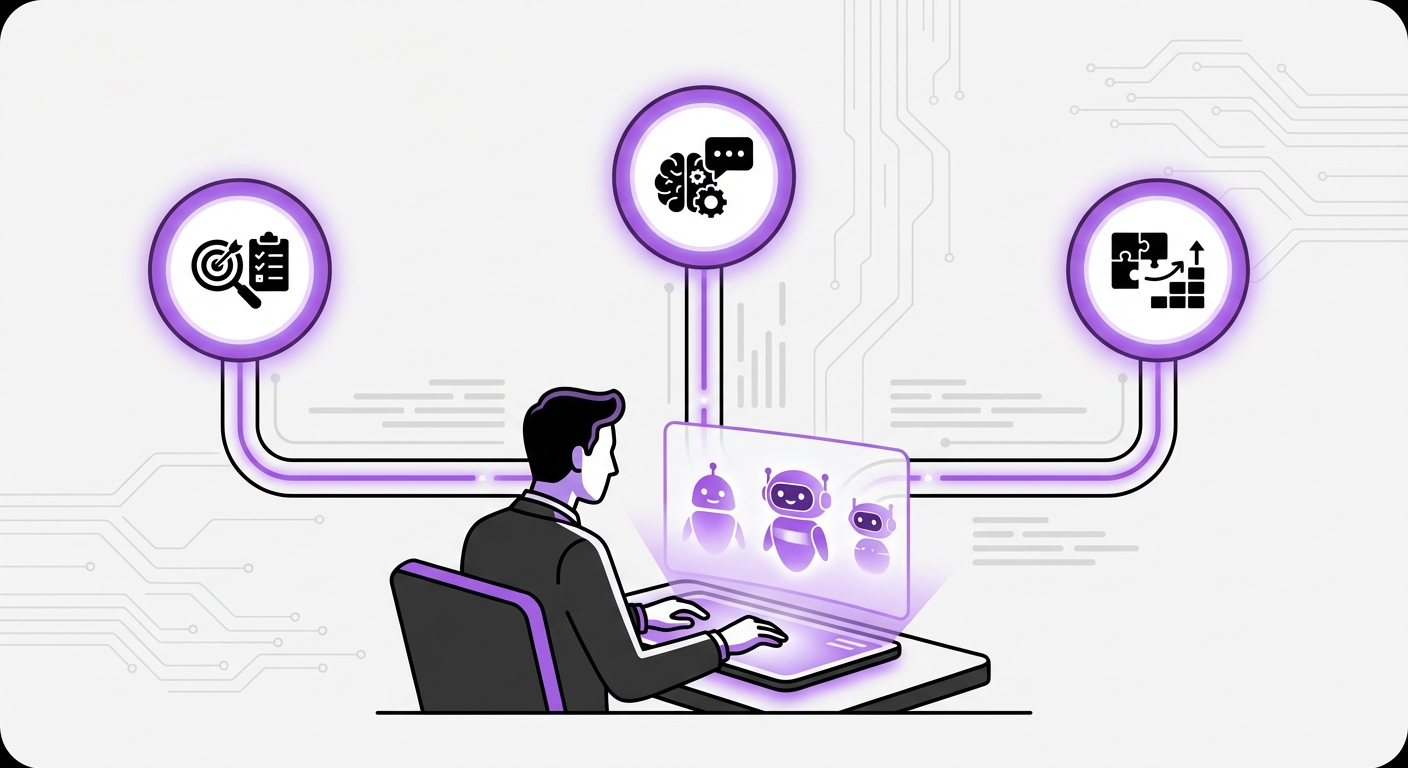
Selecting the best tool depends entirely on your specific needs. Here are three key factors to consider:
### Platform Integration
Your chatbot must work seamlessly with your e-commerce platform. A lack of deep integration can lead to disconnected customer experiences and manual workarounds. This is why solutions like MxChat are so powerful for WordPress users—their native design ensures perfect compatibility with WooCommerce product data, user accounts, and order information.### Business Goals
What is your primary objective? Are you trying to reduce support tickets, recover abandoned carts, or generate more leads? If your goal is 24/7 support, a tool with strong knowledge base integration like Zendesk is ideal. If it’s sales and cart recovery, look for proactive engagement features found in platforms like MxChat or Tidio.### Scalability and Budget
Consider both your current needs and future growth. A free plan from a provider like Tidio might be perfect to start, but will it scale with you? Conversely, an enterprise solution like Intercom might be too much, too soon. Look for a platform with clear, scalable pricing that aligns with your business’s growth trajectory.Conclusion
By 2026, implementing AI chatbots for e-commerce is a critical step towards building a resilient, customer-centric online business. These tools are no longer futuristic novelties; they are essential for providing the instant, personalized service that modern consumers demand. From the seamless WordPress integration of MxChat to the all-in-one communication power of Intercom, there is a solution perfectly suited to your store’s unique needs.
The key is to evaluate your platform, define your goals, and choose a partner that can help you automate effectively. For businesses running on the world’s most popular CMS, exploring a purpose-built solution like MxChat offers the most direct path to enhancing customer satisfaction and driving more sales.