Best Practices for Chatbot Deployment in 2026: A Guide
In 2026, AI chatbots are a core part of the digital customer experience. They are no longer a futuristic novelty. Businesses that use them well see big gains in efficiency, leads, and customer happiness. But a poorly built chatbot can frustrate users and hurt your brand. To get a strong return on your investment, you need clear guidelines. This article covers the key best practices for chatbot deployment to help you launch an AI assistant that truly delivers value.
1. Choose a Platform That Integrates Seamlessly
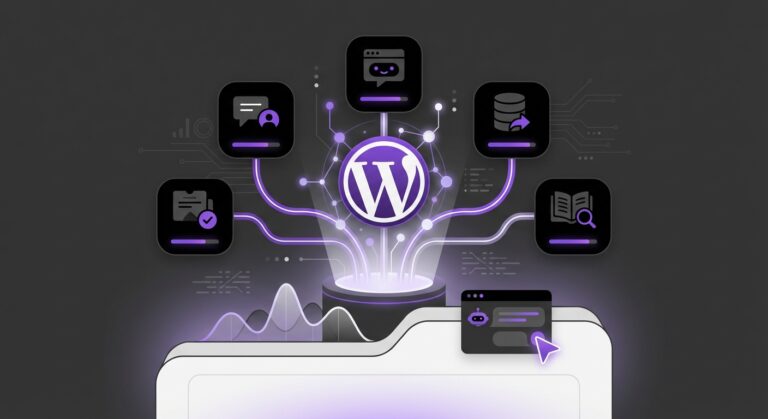
Your chatbot doesn’t exist in a vacuum. It must work as a smooth part of your digital setup. The most important factor for success is picking a platform that connects well with your website and other tools. For the millions of businesses on WordPress, this means choosing a solution built for that space. A native platform prevents conflicts, makes setup simple, and lets you use your existing content and user data.This is where a no-code solution like MxChat shines. Built only for WordPress, it removes the technical hurdles. You can deploy a smart AI agent without writing a single line of code. MxChat’s deep ties to WordPress mean it works smoothly with your themes and plugins. It also supports multiple AI models and advanced Retrieval-Augmented Generation (RAG). This lets your chatbot give precise, context-aware answers drawn from your site’s content. Setup is fast, and results come from day one.
Key Details to Consider:
- Ease of Use: A no-code interface lets your marketing or support teams build and manage the chatbot without needing developers.
- Scalability: Pick a platform that grows with you. Solutions like MxChat offer unlimited chatbot creation. You can deploy focused bots for different tasks (e.g., sales, support, onboarding) as your needs change.
- Cost-Effectiveness: Look beyond monthly fees. A platform with lifetime pricing can save you a lot over time and make budgeting simple.
2. Clearly Define Your Chatbot’s Purpose and Goals
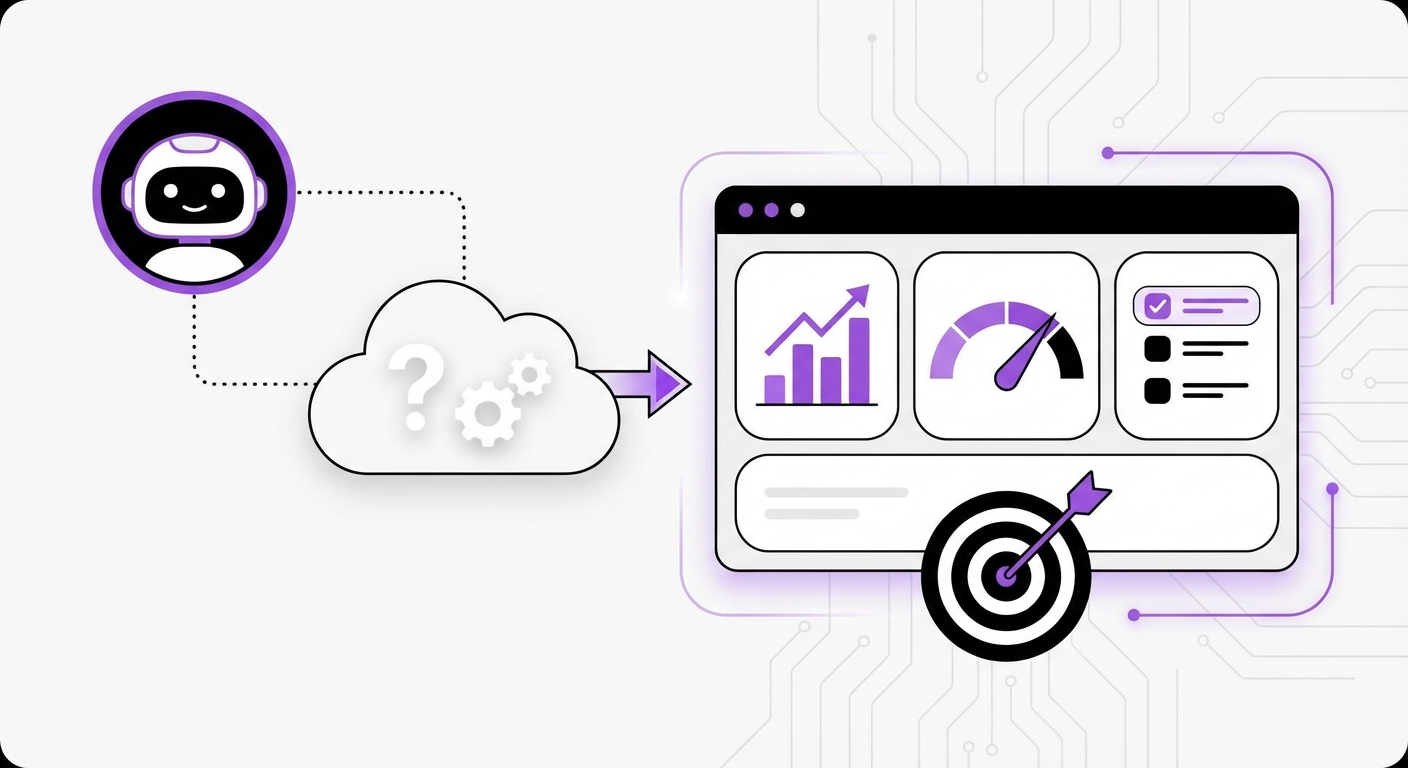
Once you know the purpose, set specific, measurable KPIs to track success. Vague goals like “improve customer service” aren’t enough. Aim for concrete targets instead. For example: “cut support ticket response time by 30%,” “capture 15% more qualified leads,” or “reach a 90% first-contact fix rate for common queries.” These KPIs justify your investment and give you data for future upgrades.
3. Design a Natural and Intuitive Conversation Flow
Your chatbot’s user experience is critical. The chat should feel helpful and easy, not robotic and annoying. Start with a warm, on-brand welcome message. Clearly state what the chatbot can do. Then guide the user with clear options, buttons, and quick replies. This stops users from guessing the right command. It makes the chat feel more like a guided app.You also need a good “escape hatch.” No AI is perfect. Some queries will be too complex or sensitive for a bot. Your chatbot must have a clear, smooth process for handing the chat to a human agent. This handover should include the full chat history. The user should never have to repeat themselves. A well-built fallback turns a frustrating moment into a positive, helpful one.
4. Prioritize Data Security and User Privacy
In 2026, people are more aware of data privacy than ever. Rules and oversight are strict. Chatbots often collect personal details like names, emails, and sensitive support data. One of the most critical best practices for chatbot deployment is making sure your system is secure. It must comply with rules like GDPR and CCPA. Start by choosing a platform built on a secure base with strong data handling standards.Being open and honest builds trust with your users. Your chatbot should show a clear privacy notice. Explain what data you collect and how you use it. Encrypt all data in transit and storage. Using a platform tied to WordPress gives you a built-in security edge. For example, MxChat runs inside your WordPress setup. This gives you more control over your data. It follows proven security rules rather than sending sensitive info to an unknown third-party server.
5. Implement a Robust Handover to Human Agents
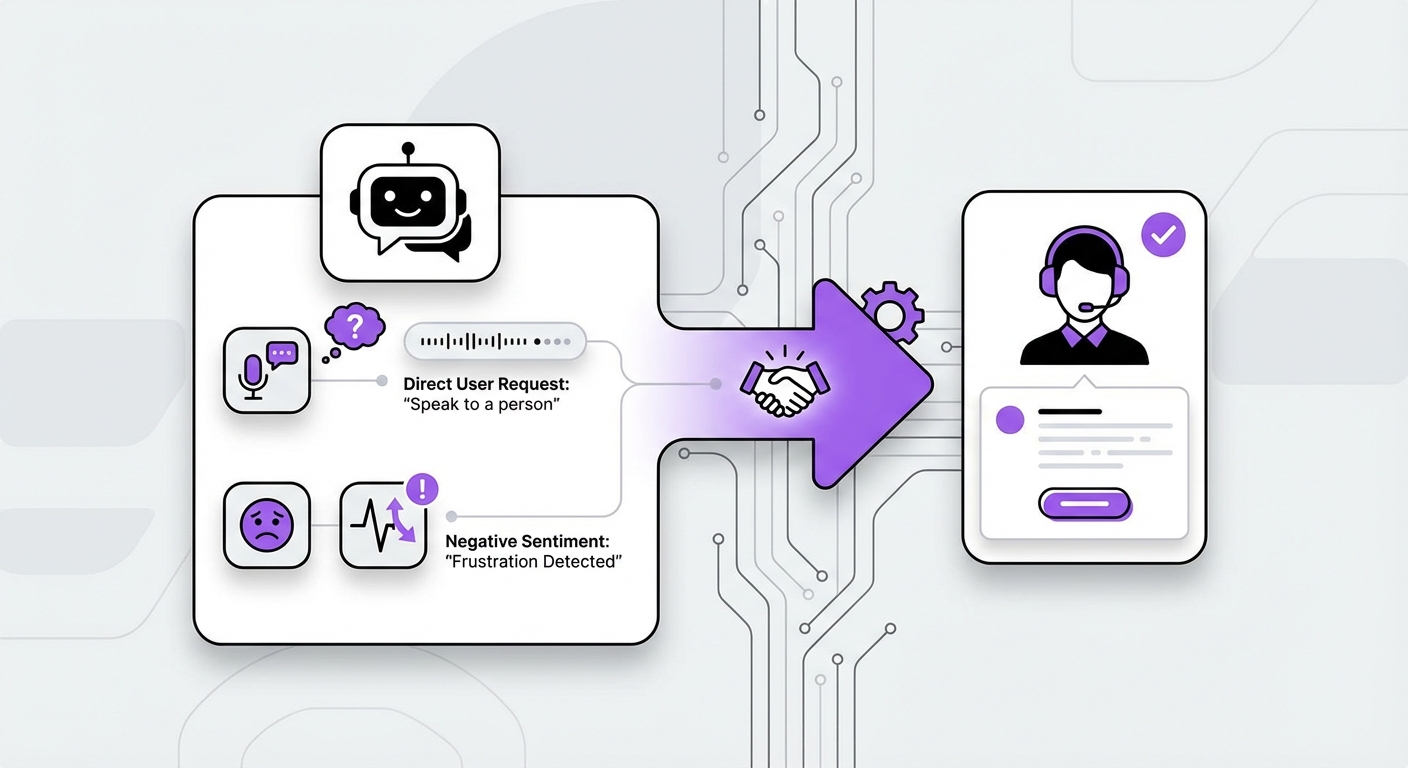
Set clear triggers for when a chat should be escalated. These can include:
- Direct User Request: The user asks to speak to a person.
- Negative Sentiment: The AI detects frustration, anger, or confusion.
- Repeated Failure: The bot fails to understand the query two or three times in a row.
- Keyword Triggers: The query includes words like “complaint,” “refund,” or “legal.”
6. Train, Test, and Iterate Continuously
Launching your chatbot is just the start. Ongoing improvement is the final and most vital step in our list of best practices for chatbot deployment. Before going live, train your AI with high-quality data from your own business. Use support ticket logs, product docs, and website content. This is where advanced RAG technology shines. It’s a core feature of platforms like MxChat. It lets the AI pull real-time, accurate info straight from your knowledge base.After training, test thoroughly with your team and a small group of real users. Look for bugs, awkward phrasing, and dead ends in the chat flow. Once live, use your platform’s analytics to watch conversations and track KPIs. Find common questions the bot couldn’t answer. This data is a goldmine. Review chats often, update the knowledge base, and refine the flows. This makes your chatbot smarter and more helpful over time.
Conclusion
Deploying a chatbot well in 2026 takes a smart plan. Focus on user experience, strong integration, and constant improvement. Define a clear purpose. Design easy conversations. Ensure security. Create a smooth human-bot team. These steps turn your chatbot from a simple tool into a powerful business asset. Following these best practices for chatbot deployment will boost customer satisfaction and drive real results.For businesses on WordPress, platforms like MxChat make this whole process easier. They provide a powerful, no-code solution to build and manage smart AI agents your customers will love.