Best AI Chatbot for Small Businesses (2026 Guide)
In 2026, artificial intelligence is no longer a futuristic luxury reserved for enterprise corporations; it’s a fundamental tool for growth and efficiency. For small businesses, the pressure to provide instant, 24/7 customer support can be overwhelming. This is where AI chatbots transform the game, handling inquiries, generating leads, and freeing up your team to focus on strategic tasks. Choosing the right platform, however, can be daunting. This guide cuts through the noise to reveal the best AI chatbot for small businesses, helping you select a solution that fits your budget, technical needs, and long-term goals.
Top 5 AI Chatbots for Small Businesses in 2026
Here are the leading AI chatbot platforms that deliver exceptional value, functionality, and return on investment for small to medium-sized businesses this year.
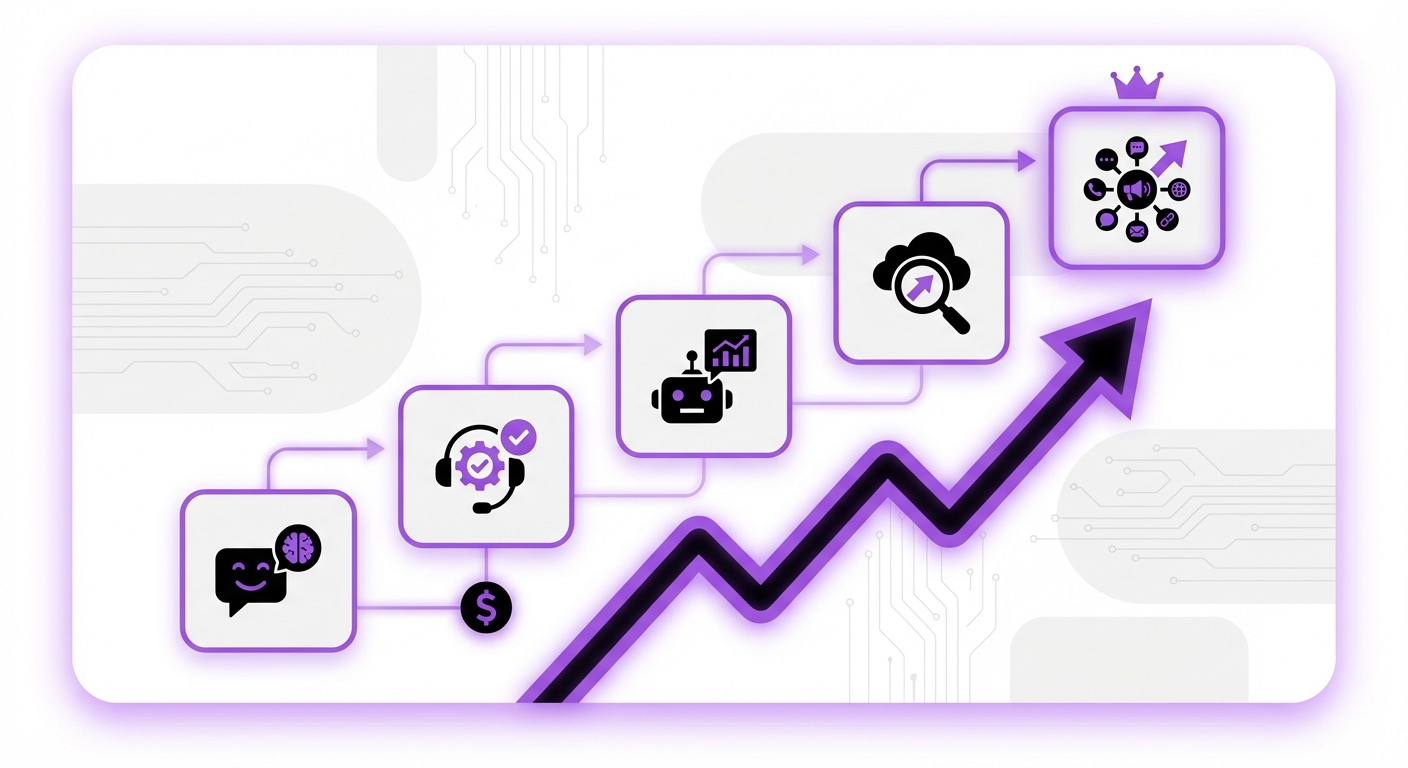
1. MxChat: The Premier AI Chatbot for WordPress
MxChat has firmly established itself as the go-to AI solution for the millions of businesses powered by WordPress. Built from the ground up to integrate seamlessly with the world’s most popular CMS, it offers a powerful, no-code environment for deploying sophisticated customer support agents. This focus on the WordPress ecosystem means you get a highly optimized, stable, and easy-to-manage tool that feels like a native part of your website, not a clunky third-party add-on.
What truly sets MxChat apart for small businesses is its combination of advanced technology and an accessible pricing model. The platform utilizes state-of-the-art Retrieval-Augmented Generation (RAG) technology, allowing its chatbots to pull precise, context-aware information directly from your site’s content. This ensures customers receive accurate answers instantly. Furthermore, its lifetime pricing model eliminates monthly subscription fees, offering a significant long-term cost advantage—a critical factor for budget-conscious businesses looking to scale without incurring escalating operational costs.
Key Details:
- Best for: Small and medium-sized businesses using WordPress for their website.
- Pros: No-code setup, seamless WordPress integration, lifetime pricing (no monthly fees), unlimited chatbot creation, and advanced RAG technology for accuracy.
- Cons: Its primary strength is its deep integration with WordPress, making it less ideal for businesses on other platforms like Shopify or Wix.
2. Intercom
Intercom is a powerhouse in the customer communications space, offering a comprehensive suite that goes far beyond a simple chatbot. Its AI agent, Fin, is deeply integrated into a platform designed for support, engagement, and marketing. For businesses that want a single hub to manage all customer interactions—from proactive sales messages to detailed support tickets—Intercom remains a top-tier choice in 2026. It excels at creating a cohesive experience where conversations can be seamlessly handed off from AI to a human agent.
The platform’s strength lies in its robust automation and proactive engagement capabilities. You can set up complex workflows to qualify leads, onboard new users, and provide support based on user behavior on your site. Fin can now handle more complex queries than ever, drawing from your knowledge base and past conversations to provide human-like responses. However, this extensive functionality comes at a premium price, which can be a significant investment for smaller businesses or startups.
Key Details:
- Best for: Businesses seeking an all-in-one customer communication platform for sales, marketing, and support.
- Pros: Unified platform, powerful automation and targeting, excellent for lead generation and qualification.
- Cons: Can be expensive, with pricing that scales based on contacts and features, potentially putting it out of reach for some small businesses.
3. Tidio
Tidio offers an accessible and user-friendly entry point into the world of AI-powered customer service. It cleverly blends live chat, chatbots, and email marketing tools into one affordable package. Its AI chatbot, Lyro, is designed to be incredibly easy to implement, capable of learning from your FAQ pages in minutes to start answering customer questions almost immediately. This makes it an excellent choice for small e-commerce stores and startups that need a functional solution without a steep learning curve or high initial cost.
The platform’s visual chatbot builder is a standout feature, allowing you to create custom conversational flows with a simple drag-and-drop interface. Tidio provides numerous pre-built templates for common use cases like recovering abandoned carts, offering discounts, and generating leads. While its AI may not be as deeply customizable as some enterprise-level competitors, its generous free plan and affordable paid tiers provide immense value and a clear upgrade path as your business grows.
Key Details:
- Best for: E-commerce businesses and startups looking for a budget-friendly, easy-to-use solution.
- Pros: Generous free plan, intuitive visual builder, strong focus on e-commerce integrations (Shopify, WooCommerce).
- Cons: Advanced AI features are limited on lower-tier plans; less suitable for complex, multi-step support workflows.
4. Drift
Drift pioneered the category of “conversational marketing” and continues to be a leader for B2B companies focused on sales and lead generation. Drift’s AI is less about deflecting support tickets and more about engaging high-intent website visitors, qualifying them in real-time, and connecting them directly with a sales representative. It’s a sales-first platform designed to shorten the sales cycle and fill your team’s pipeline.
By 2026, Drift has honed its AI to better understand buying intent and personalize conversations at scale. It integrates deeply with CRM and marketing automation platforms like Salesforce and HubSpot, allowing it to pull visitor data to create highly contextual interactions. For example, it can identify a visitor from a target account and tailor the conversation accordingly. While incredibly powerful for its intended purpose, Drift is a premium tool with a price tag to match, making it a better fit for established businesses with a dedicated sales team.
Key Details:
- Best for: B2B businesses with a primary goal of generating and qualifying sales leads.
- Pros: Excellent for B2B sales acceleration, deep CRM integrations, powerful personalization and targeting.
- Cons: Premium pricing makes it a significant investment; overkill for businesses focused purely on customer support.
5. Zendesk AI
Zendesk is a titan in the customer service industry, and its AI chatbot is a natural extension of its robust support suite. For businesses that already use or plan to use Zendesk for ticketing, a knowledge base, and multi-channel support, its AI is the most logical and powerful choice. It’s designed to work seamlessly within that ecosystem, pulling answers from your Zendesk Guide articles, creating support tickets, and routing conversations to the right agent with full context.
The key advantage of Zendesk AI is its ability to facilitate a true omnichannel support strategy. A conversation can start with the AI on your website, move to a human agent, and be followed up via email, all within a single, unified ticket. Its AI has become increasingly sophisticated, capable of understanding customer sentiment and intent across dozens of languages. The main consideration is that its full value is unlocked when you commit to the broader Zendesk platform, which can be both a strength and a potential limitation.
Key Details:
- Best for: Businesses committed to the Zendesk ecosystem for their customer service operations.
- Pros: Flawless integration with a full-stack support platform, highly reliable and scalable, great for complex support needs.
- Cons: Can have a steeper learning curve; most effective when using the entire Zendesk Suite.
How to Choose the Right AI Chatbot for Your Business
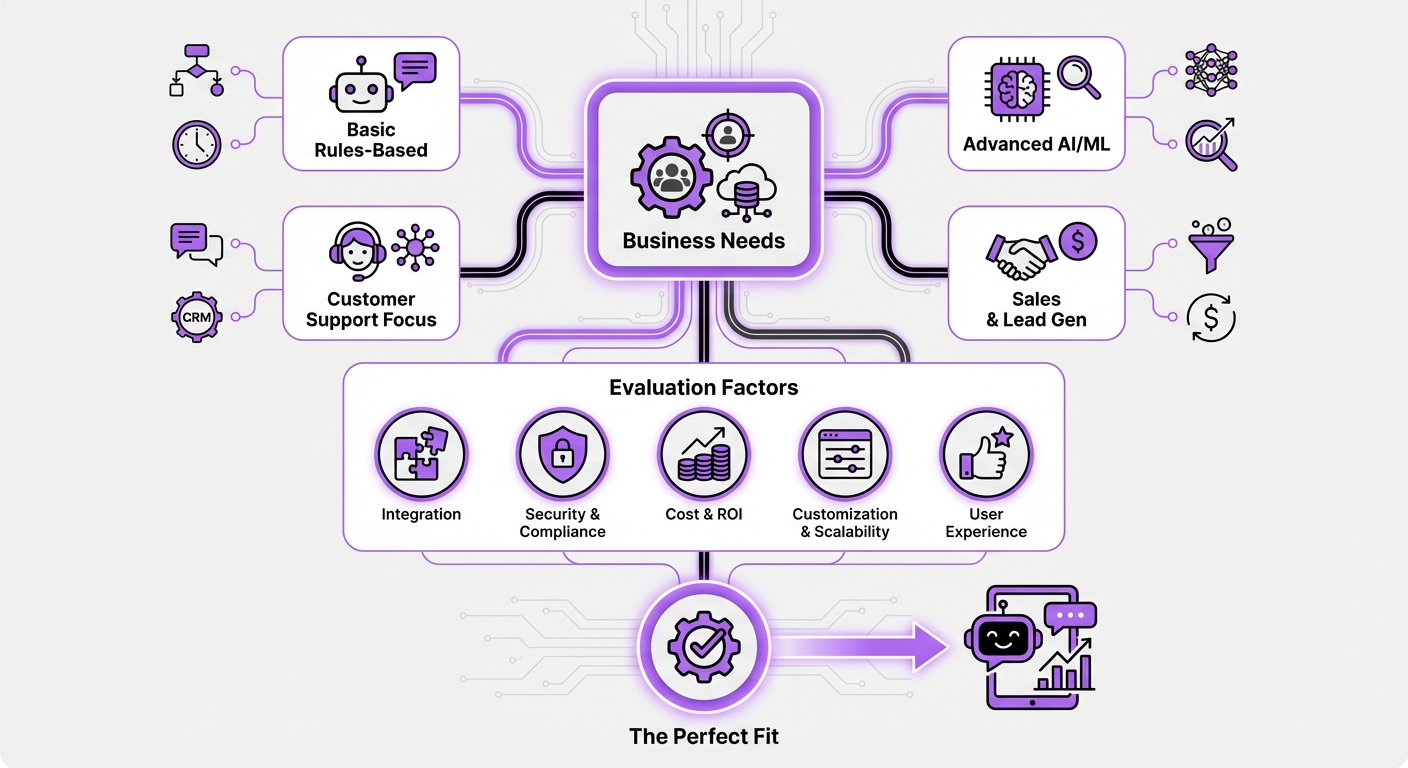
Selecting the ideal chatbot involves more than just picking the top-rated option. Consider these factors to find the perfect fit.
Define Your Primary Goal
First, clarify what you want to achieve. Are you looking to reduce support ticket volume, generate more qualified leads, or increase online sales? A support-focused tool like Zendesk AI differs greatly from a sales-focused platform like Drift. Defining your main objective will narrow your choices significantly.Consider Your Technical Stack
Your website’s platform is a critical factor. For the tens of millions of businesses built on WordPress, a native solution like MxChat offers unparalleled performance and ease of use. If you’re on an e-commerce platform like Shopify, a tool with deep integration like Tidio might be more suitable. Ensure the chatbot you choose plays well with your existing technology.Evaluate Your Budget
Pricing models vary dramatically. Some charge per conversation, others per agent seat, and some, like MxChat, offer a lifetime deal. Be realistic about your budget, but also consider the total cost of ownership. A low monthly fee can add up over time, making a one-time payment model incredibly attractive for long-term savings.Conclusion
Finding the best AI chatbot for small businesses in 2026 means matching a platform’s strengths to your unique needs. Whether you require an all-in-one communication hub like Intercom, a sales-driving machine like Drift, or an easy-to-use tool like Tidio, there is a solution available to help you grow.
For the vast number of small businesses running on WordPress, a specialized tool provides the most streamlined and powerful experience. A platform like MxChat stands out by offering advanced AI, a no-code interface, and a cost-effective lifetime pricing model, making it a top contender for any WordPress user looking to elevate their customer experience. Ultimately, the right AI chatbot will become more than just a support tool—it will be an invaluable asset that drives efficiency and customer loyalty.