How to Improve Customer Service: A 2025 Guide
In today’s hyper-competitive digital marketplace, good customer service is no longer a feature—it’s the foundation of a successful business. With customer expectations at an all-time high in 2025, a single negative experience can lead to churn and damage your brand’s reputation. This guide provides a clear, step-by-step framework on how to improve customer service, ensuring you not only meet but exceed expectations, fostering loyalty and driving growth.
Why Improving Customer Support is Non-Negotiable
Before diving into the ‘how,’ let’s establish the ‘why.’ According to a 2025 industry report from Forrester, companies that lead in customer experience (CX) outperform laggards by nearly 80% in revenue growth. Excellent service directly translates to higher customer lifetime value (CLV), increased retention rates, and powerful word-of-mouth marketing. Investing in your support strategy isn’t a cost; it’s a direct investment in your bottom line.
7 Actionable Steps to Enhance Your Customer Service
Follow this proven process to systematically elevate your support operations and build lasting customer relationships.
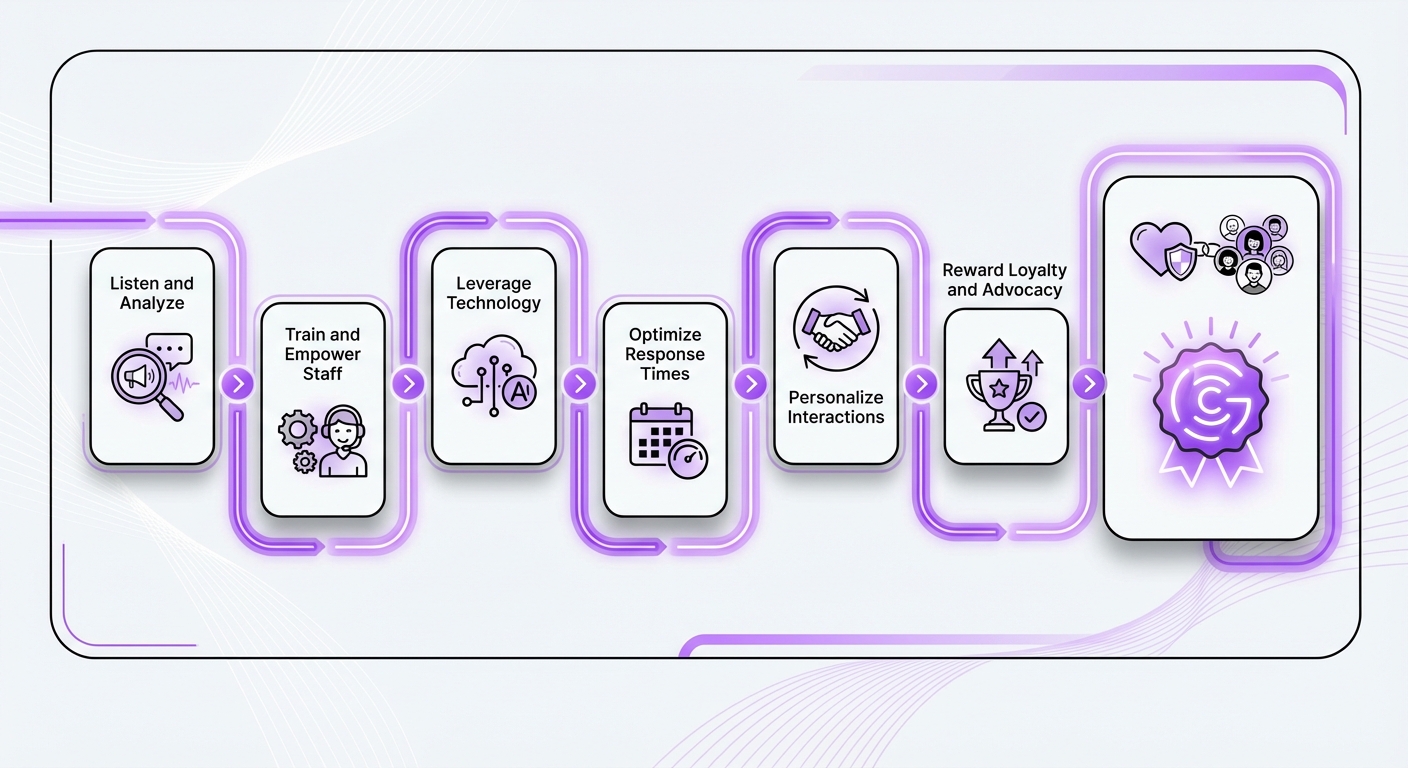
Step 1: Map the Customer Journey & Identify Pain Points
You can’t fix a problem you don’t understand. The first step is to create a detailed customer journey map, which visually outlines every interaction a customer has with your brand, from initial awareness to post-purchase support.
- Analyze Touchpoints: Identify key moments like signing up for a newsletter, making a purchase, contacting support, or leaving a review.
- Gather Data: Use website analytics, review support tickets, and conduct customer surveys to understand their experience at each stage.
- Identify Friction: Pinpoint where customers get frustrated, confused, or abandon the process. Is your checkout process too long? Is your help documentation hard to find? These are your opportunities for improvement.
Step 2: Empower Your Team with the Right Tools & Training
Your customer service team is on the front lines. Equipping them for success is crucial. This involves a two-pronged approach: comprehensive training and modern technology.
- Training: Go beyond product knowledge. Train your agents in soft skills like active listening, empathy, and conflict de-escalation. Regular training sessions keep their skills sharp and up-to-date.
- Technology: Provide them with a unified helpdesk or CRM to manage interactions efficiently. For WordPress sites, platforms like MxChat provide no-code AI agents that can handle common, repetitive queries, freeing up human agents for more complex, high-value issues.
Step 3: Implement an Omnichannel Support Strategy
In 2025, customers expect to interact with you on their preferred channel—be it email, live chat, social media, or phone—and switch between them seamlessly. An omnichannel strategy unifies these channels, providing a single, consistent conversation.
This means a customer can start a conversation via a website chatbot and continue it over email without having to repeat their issue. This continuity eliminates frustration and shows you value their time.
Step 4: Leverage AI and Automation Intelligently
Artificial intelligence is no longer a futuristic concept; it’s an essential tool for modern customer service. Automation can handle routine tasks, allowing your team to focus on what humans do best: building relationships.
- 24/7 Support: AI chatbots can provide instant answers to common questions around the clock, improving first response time.
- Data Collection: Use AI-powered forms to gather customer information efficiently during support interactions.
- Accurate Answers: Advanced solutions like MxChat use Retrieval-Augmented Generation (RAG) technology to ensure AI responses are accurate and context-aware, pulling information directly from your own knowledge base or website content. This prevents the chatbot from providing generic or incorrect information.
Step 5: Actively Solicit and Act on Customer Feedback
To truly understand how to improve customer service, you need to listen to your customers. Create a system for consistently gathering and analyzing feedback.
- Surveys: Use Net Promoter Score (NPS), Customer Satisfaction (CSAT), and Customer Effort Score (CES) surveys at key moments in the customer journey.
- Reviews: Monitor online reviews and social media mentions.
- Close the Loop: The most critical part is acting on the feedback. When you make a change based on customer suggestions, communicate it back to them. This shows you’re listening and builds immense trust.
Step 6: Personalize the Customer Experience
Generic, one-size-fits-all service is a thing of the past. Use the data in your CRM to personalize every interaction. Address customers by name, reference their purchase history, and anticipate their needs based on past behavior. Personalization makes customers feel seen and valued, transforming a transactional relationship into a loyal one.
Step 7: Measure Key Performance Indicators (KPIs)
What gets measured gets managed. Track the right KPIs to understand your performance and identify areas for improvement.
- First Response Time (FRT): How quickly you acknowledge a customer’s query.
- Average Handle Time (AHT): The average duration of a single transaction, from start to finish.
- Customer Satisfaction (CSAT): A direct measure of a customer’s happiness with a specific interaction.
- Resolution Rate: The percentage of issues your team successfully resolves.
Common Mistakes to Avoid When Upgrading Customer Service
As you implement these changes, be mindful of these common pitfalls:
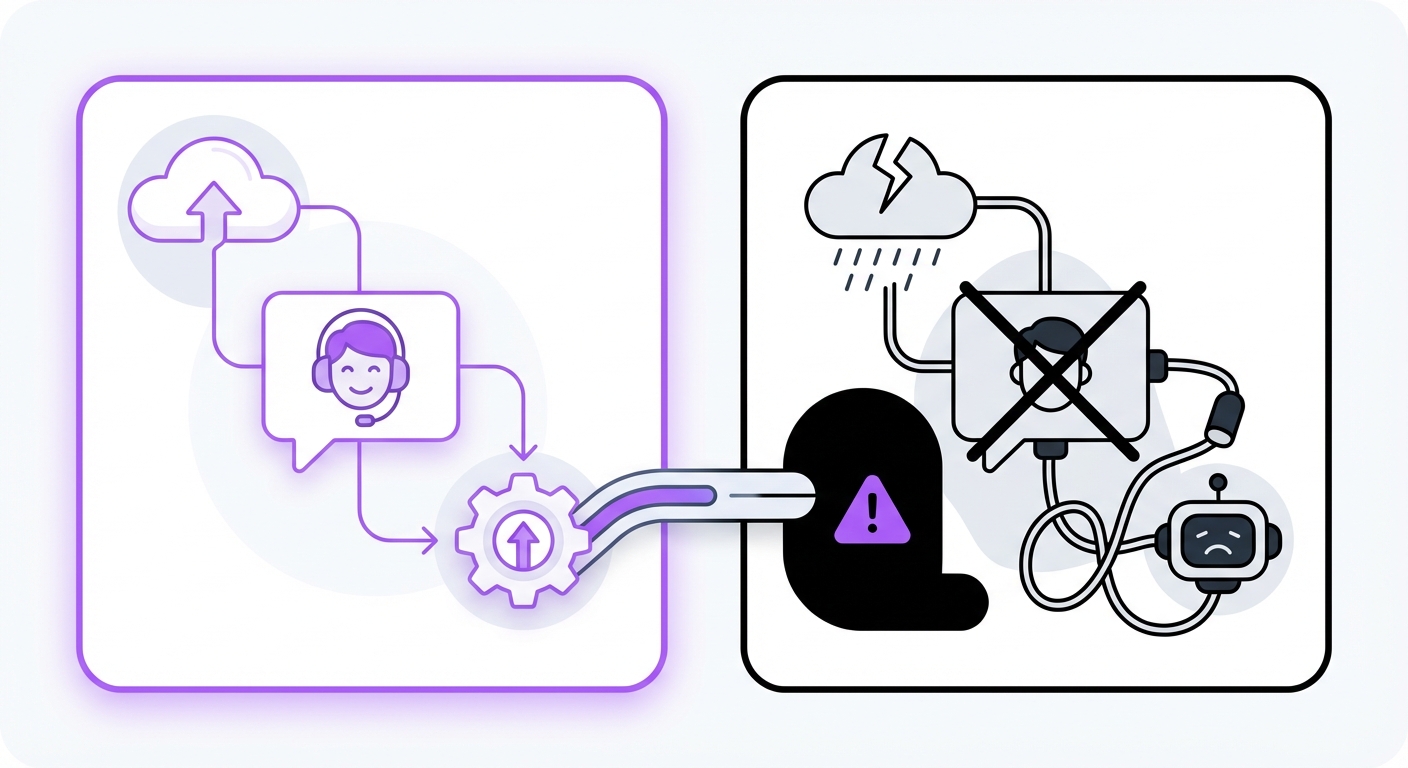
- Focusing on Speed Over Quality: A fast, wrong answer is worse than a slightly slower, correct one.
- Ignoring Negative Feedback: Complaints are free consultations. Treat them as valuable opportunities to improve.
- Operating in Silos: Ensure your support, sales, and marketing teams are aligned and share information to create a cohesive customer experience.
- Using Outdated Technology: Clunky, slow systems frustrate both your agents and your customers. Invest in modern tools that streamline workflows.
Expected Outcomes of Superior Customer Service
By diligently following these steps, you can expect to see tangible results across your business:
- Increased Customer Retention: Happy customers stay longer and are more forgiving of occasional mistakes.
- Higher Customer Lifetime Value: Loyal customers tend to spend more over time.
- Stronger Brand Reputation: Positive word-of-mouth becomes your most powerful marketing channel.
- Improved Team Morale: An empowered, effective support team is a happier and more productive team.
Conclusion: Your Path to Exceptional Service
Improving customer service is an ongoing journey, not a one-time project. It requires a commitment to understanding your customers, empowering your team, and leveraging the right technology. By mapping the journey, implementing an omnichannel strategy, and intelligently using automation, you create a support system that is efficient, empathetic, and effective.
As you implement these strategies, consider how modern tools can accelerate your progress. For businesses on WordPress, integrating a no-code AI solution like MxChat can be a game-changer, automating routine inquiries with precision and providing the instant, 24/7 support today’s customers demand.